Long before Baltimore earned the moniker “Charm City,” its Inner Harbor was originally a tidal marsh, featuring a living shoreline where wetlands naturally filtered the Patapsco River and supported a thriving ecosystem.
As the port city saw industrial development reshape the waterfront over time, changes to the original landscape caused a decline in the water’s condition, with a 2024 water quality report indicating “very poor” conditions for the long-term wellbeing of many native species. With a goal of studying how to improve the local water quality, the National Aquarium sought to create and implement a model urban waterfront to rebalance the environment.
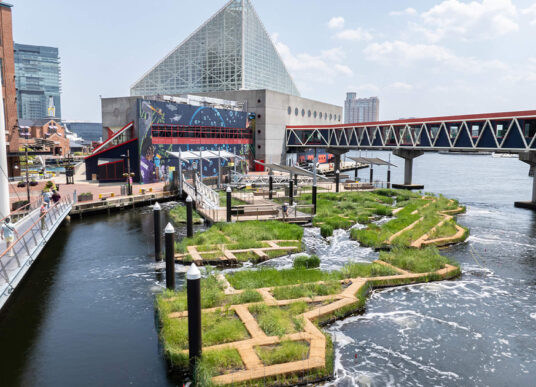
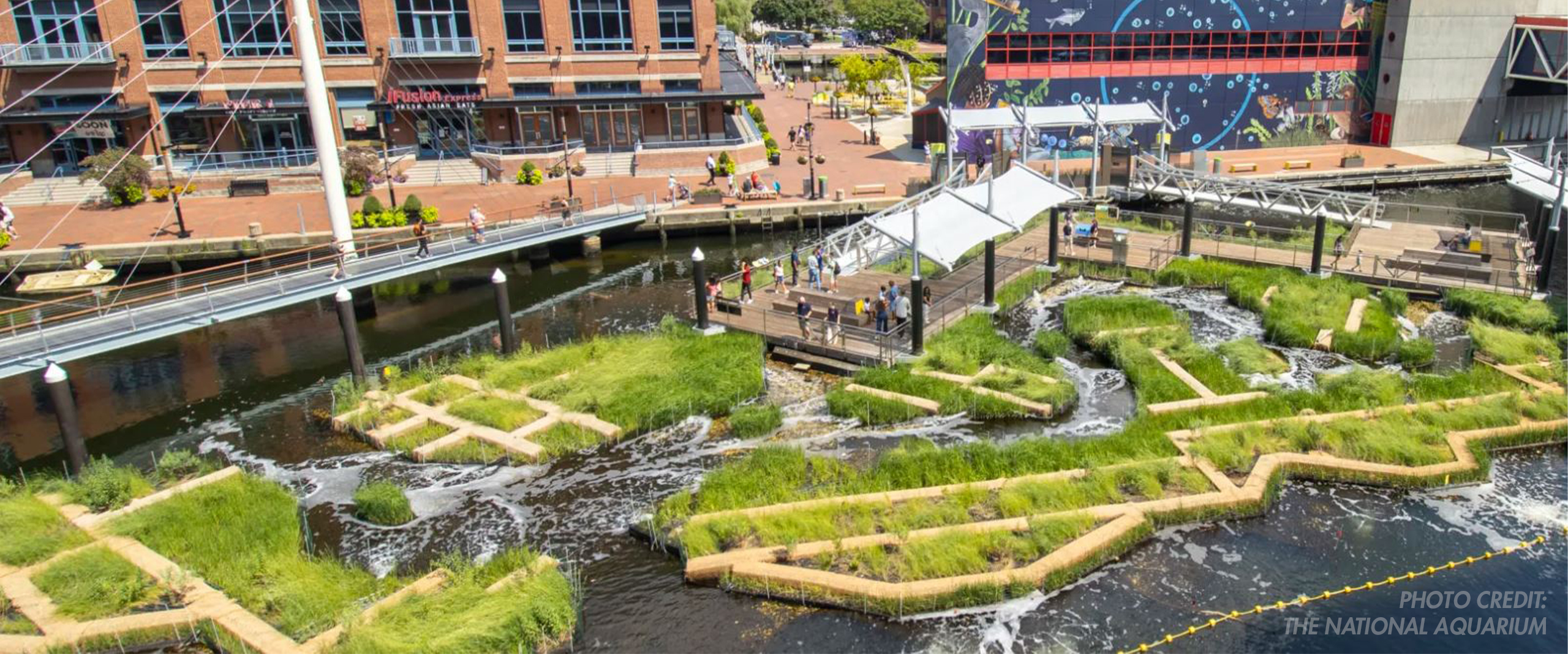
KCI’s marine specialists were contracted to support the National Aquarium’s vision through the design and implementation of a first-of-its-kind, custom solution. The nature-based design was comprised of an anchored floating wetland spanning approximately 10,500 square feet that would feature over 30,000 rooted grasses and shrubs. Equipped with water aeration technology and oyster habitats, this addition would serve to support pollutant filtration, stormwater absorption, and the reinstitution of native wildlife. The wetland was planned to be placed atop individual 8-foot by 12-foot platforms affixed together with pins in a scalable, modular system that could easily be replicated or expanded over time.
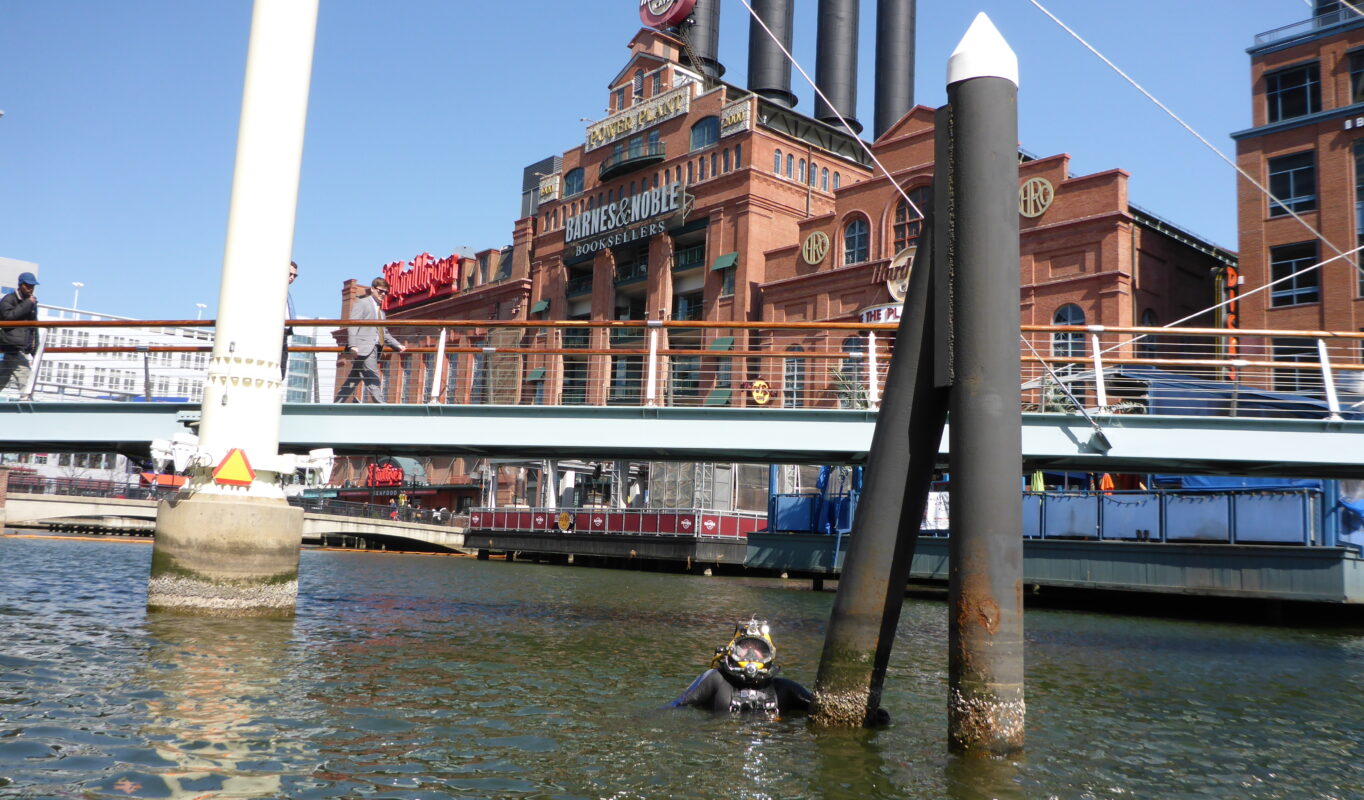 To support a structure that could prove the concept’s viability, KCI divers assessed the viability of reusing existing piles from a former water taxicab stop.
As the wetland represented an unprecedented application of nature-based infrastructure within the Inner Harbor, the project included the development of a 15-foot by 20-foot prototype used to observe and evaluate the performance of the wetland biohabitat at scale. Working in close coordination with the National Aquarium, KCI supported this effort by enabling the installation of floating components that allowed the prototype to operate within a real-world harbor environment. Over several years, the prototype was monitored to better understand plant performance, water elevation, and long-term maintenance considerations. During this period, our team refined the supporting structural systems to advance buoyancy and stability measures. These modifications were designed to accommodate plant and marine growth while supporting reliable, modular operation over time.
With due diligence complete, project engineers and specialists across KCI’s marine, structural, civil, geotechnical, and surveying disciplines advanced the wetland into full-scale implementation. Anchor piles were installed to support the dock and wetland system, followed by modular platforms that were pinned together to create a layout with a shallow central channel to promote water flow. Sustainable materials were used throughout, including eco-friendly treated timber for the learning dock and recycled plastic materials for the platform framing and planting medium. This lightweight, soil-free base supports marsh plants while allowing their roots to absorb nutrients directly from the harbor water. Together, these elements and a climate-resilient design approach position the wetland as a forward-looking model for urban resilience.
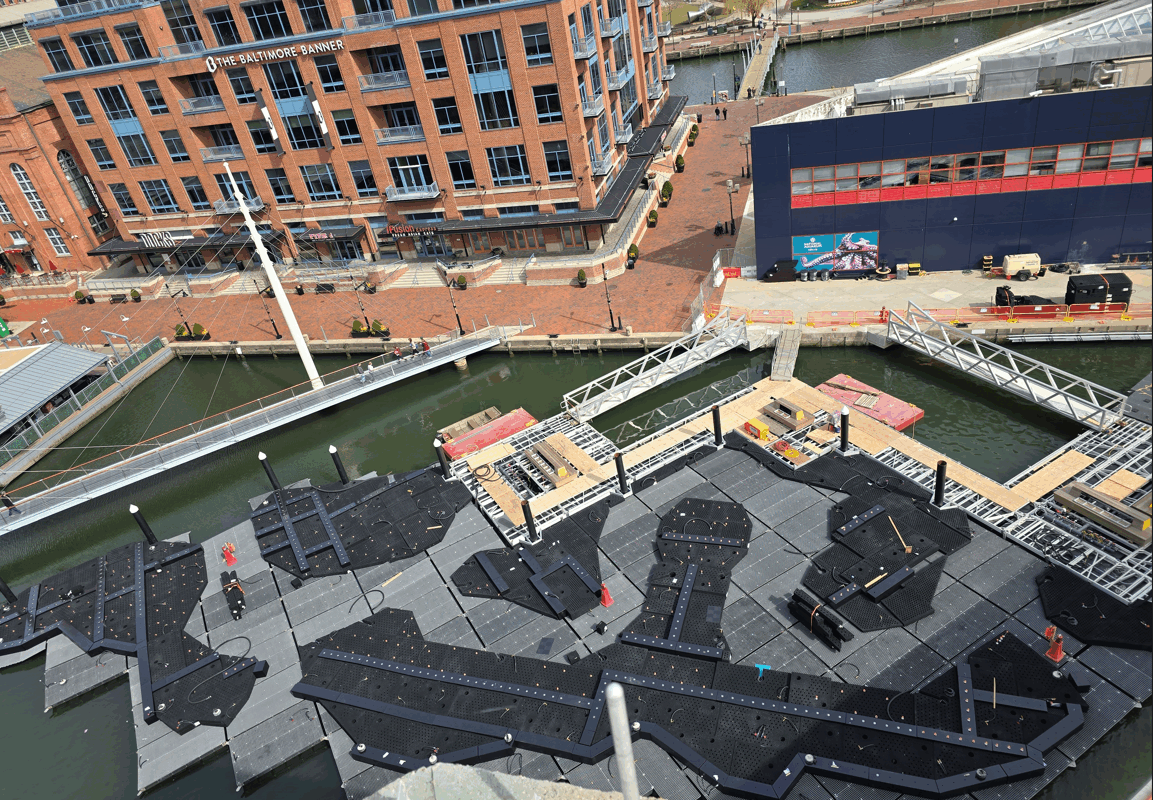 The modular platform framework was fully assembled in preparation for habitat installation, planting, and final elevation adjustment.
With the marine structure fully constructed and installed, habitat installation was completed over the course of a single week. More than 30,000 native marsh plants were rooted hydroponically through the platforms with support from staff and community volunteers, including KCI CEO and Aquarium board member Christopher Griffith. Oyster habitats were embedded throughout the structure, while airlifts were integrated to promote water circulation through the channel and increase oxygen levels.
“The Harbor Wetland has been one of the most rewarding projects of my career, offering a rare opportunity to design a structural system that had never been done before. By building a strong framework, we were able to support a living environment that responded naturally, reinforcing the idea that when you build it, they will come.”
– David McLaren, PE, Regional Practice Leader
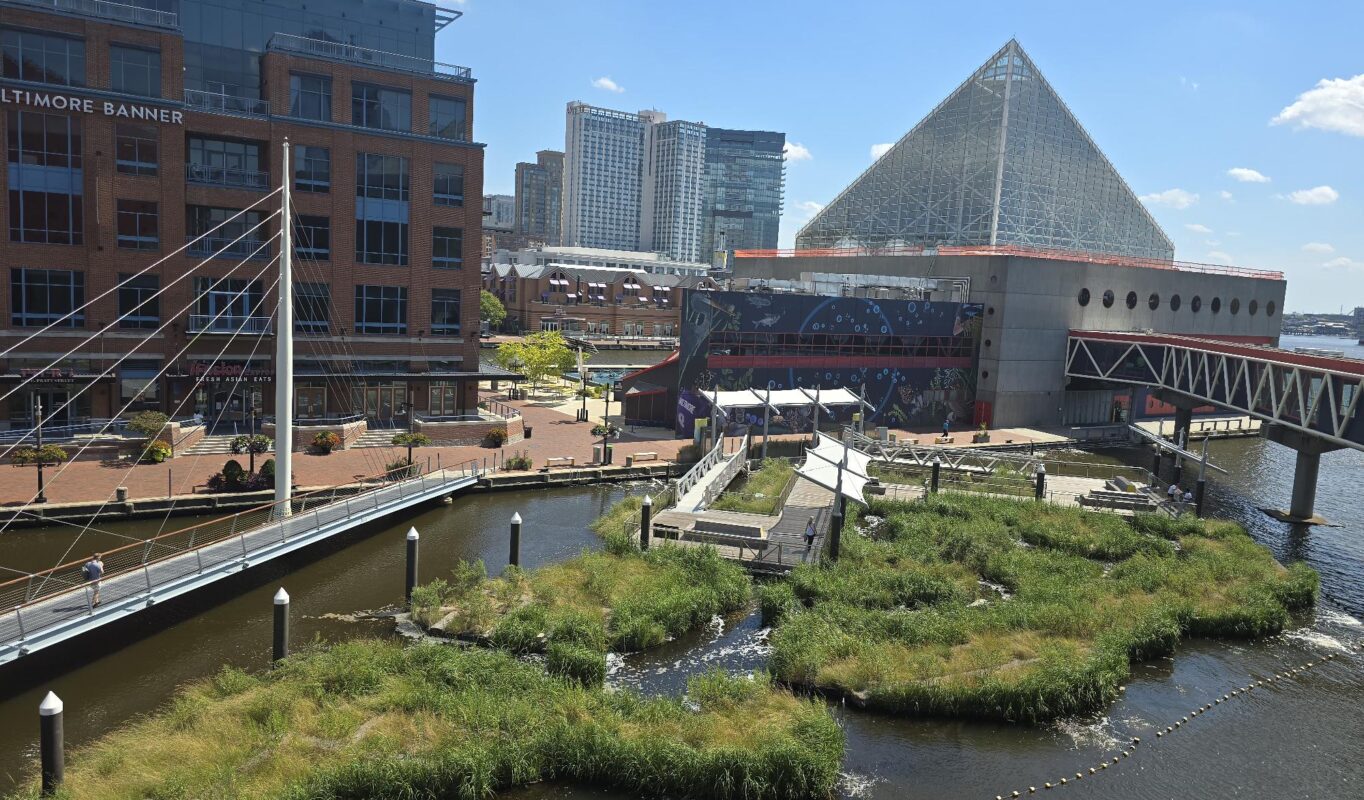 With thousands of native plants rooted into the platforms, the floating wetland emerged as a living ecosystem ready to support wildlife and improve water quality.
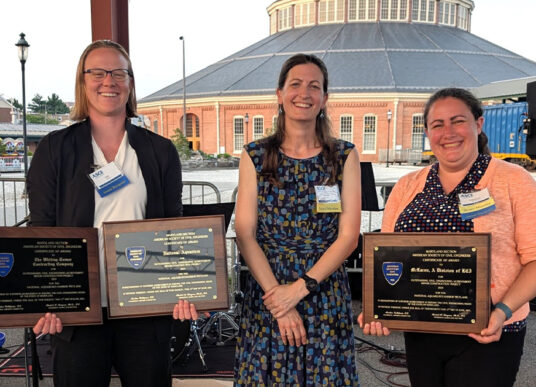
Despite unprecedented permitting challenges that required complex local, state, and federal approvals for this one-of-a-kind floating wetland, the team completed construction in just seven months. Since its public opening in August 2024, the wetland has quickly become both an ecological and community success. Wildlife such as mallards, great blue herons, terrapins, and otters have been observed inhabiting the space. Interpretive signage, interactive pathways, and community programming provide free educational opportunities for thousands of visitors annually. The project also resulted in patent applications for its unique systems, demonstrating how engineering, ecology, and community can converge to create sustainable, resilient infrastructure. This award-winning innovative addition has established Baltimore’s Inner Harbor as home to the world’s first tidal, low-freeboard, variable ballast floating wetland and now serves as a replicable precedent for restoring waterways in cities worldwide.