


By Robert Mabry
Regional Practice Leader
Construction Management
Each year, hundreds of people lose their lives in roadway work zones across the United States, including both workers and motorists.
Despite the widespread use of signage, barriers, and other control measures, work zone crashes and fatalities continue to occur. These incidents reinforce the need for careful planning, consistent execution, and ongoing attention to safety throughout the life of a project.
Building and Maintaining Traffic Control
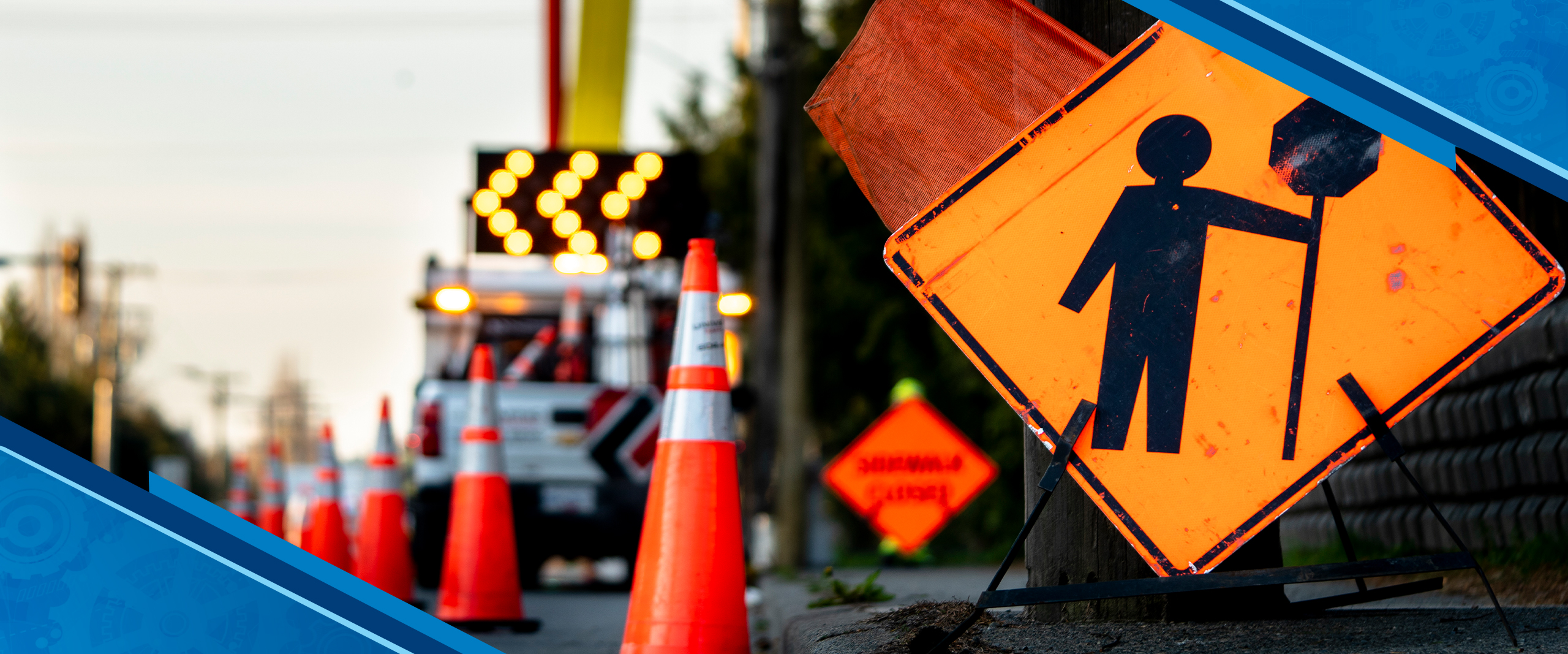
Effective work zone safety begins with a well-developed traffic control plan that reflects site-specific conditions, traffic volumes, and construction phasing. Properly placed cones, barricades, warning signs, and lighting systems are essential for guiding drivers safely through active work areas. Clear messaging, appropriate implementation, and visibility during both daytime and nighttime conditions all contribute to reducing confusion and minimizing risk.
Equally important is the regular inspection and maintenance of these traffic control devices. Equipment can be displaced by traffic, weather, or construction activities, and even small deviations from the intended setup can create hazardous conditions. Routine drive-through inspections, supplemented by documented checklists and communication protocols, help ensure that deficiencies are identified and corrected quickly.
Coordinating Teams and Timing to Reduce Risk
Worker training and situational awareness also play a central role in maintaining safe work zones. Crews that understand traffic patterns, recognize potential hazards, and follow established safety procedures are better equipped to respond to changing conditions. Coordination between contractors, inspectors, and project managers helps maintain alignment and ensures that safety remains a shared responsibility across all parties.
In addition, strategic scheduling and phasing can significantly reduce exposure to risk. Limiting work during peak traffic hours, implementing temporary lane closures with adequate advance warning, and using flaggers or law enforcement when appropriate all contribute to safer interactions between vehicles and construction activities. These approaches, when combined with strong communication and enforcement, create a more controlled and predictable environment.
The Future of Work Zone Monitoring
While traditional methods remain the foundation of work zone safety, emerging technologies are beginning to supplement these efforts. Tools such as drones can capture aerial imagery of active sites, providing a broader view without interrupting operations. When paired with advanced data analysis techniques, this information can be used to review traffic control layouts, identify inconsistencies, and support more informed decision-making. These applications are still evolving but represent a potential future enhancement to existing inspection practices.
KCI Can Help
Work zones will always present challenges due to their dynamic nature and the constant interaction between construction activities and live traffic. Maintaining safety requires a strong commitment to proven practices, supported by consistent oversight and coordination.
As new technologies continue to develop, they may offer additional ways to enhance visibility and improve efficiency, but the foundation of work zone safety will remain rooted in thoughtful planning, diligent inspection, and clear communication.
KCI brings together engineering expertise and construction insight to help clients improve work zone performance, strengthen coordination, and maintain a focus on safety throughout project delivery. To learn more, contact us.