

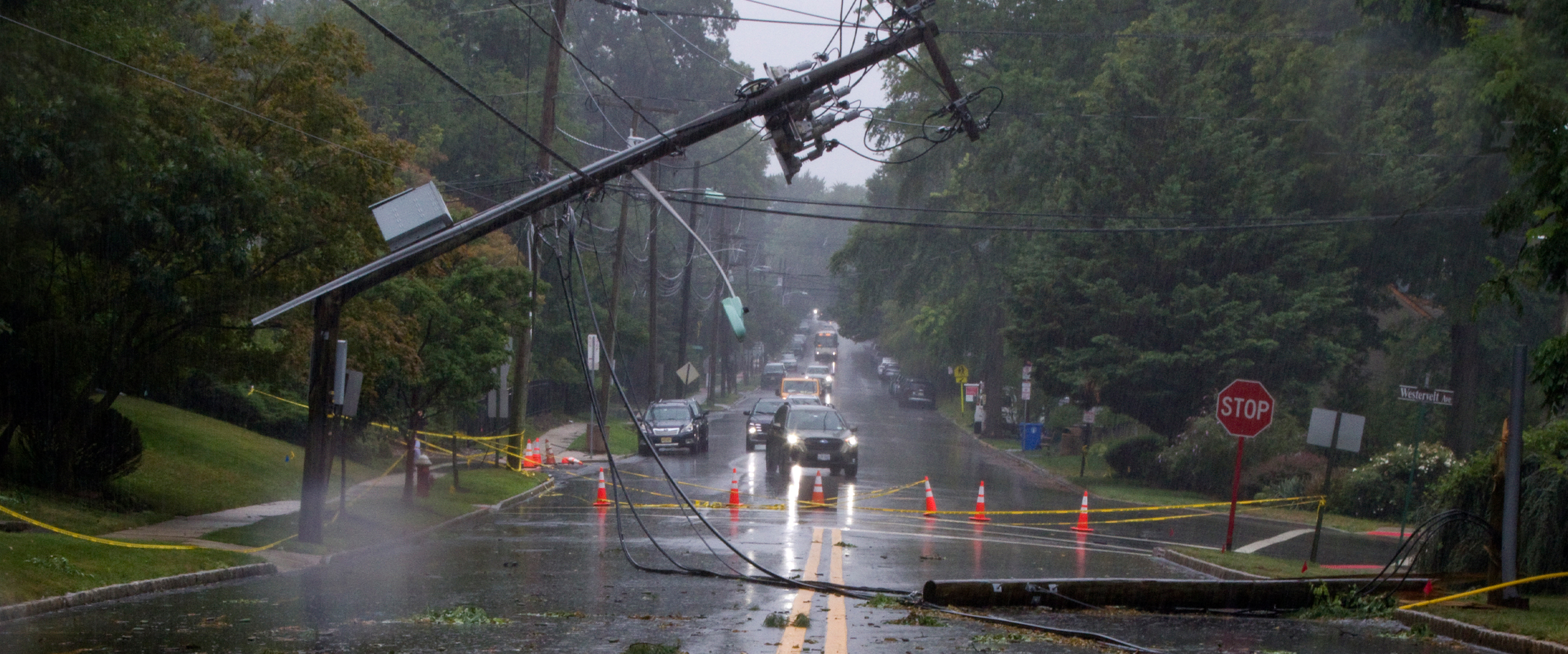
According to the United Nations and World Meteorological Organization, the number of recorded disasters worldwide has risen from roughly 100 per year in the 1970s to nearly 400 per year over the past decade.
From hurricanes that leave millions without power to floods that wash out roadways and bridges and snowstorms that bring entire transportation networks to a standstill, communities cannot afford to wait until disaster strikes to prepare. Proactive planning, resilient infrastructure and effective response are critical to limiting damage and accelerating recovery.
As these events have become more frequent and severe, the role of engineering has also evolved. While emergency response departments remain critical to disaster preparation and recovery, engineers play an important role in identifying vulnerabilities, strengthening infrastructure and providing the information and solutions communities need before, during and after severe weather events.
No two storms present the same challenges, and effective preparation and response depend on the conditions, infrastructure and risks unique to each community. To help communities withstand these events and recover more quickly, KCI addresses storm resilience on both sides of a disaster: through proactive preparation and the response and recovery efforts that follow.
The Responsive Approach
When a severe weather event occurs, every hour matters. Utilities, transportation agencies and emergency management officials depend on timely, accurate information to assess damage, restore critical services and begin recovery efforts. For engineering teams, an effective response requires rapid mobilization, coordinated field operations and the ability to quickly provide the information needed to guide recovery.
KCI put this approach into action during Hurricane Dorian. As part of an on-call contract with a utility company, KCI’s Power Distribution team was responsible for assessing damage across the company’s service territory and providing the field information needed to support restoration efforts. Mobilizing quickly, our team assembled and deployed as many as 170 engineers trained in damage assessment from across the company.
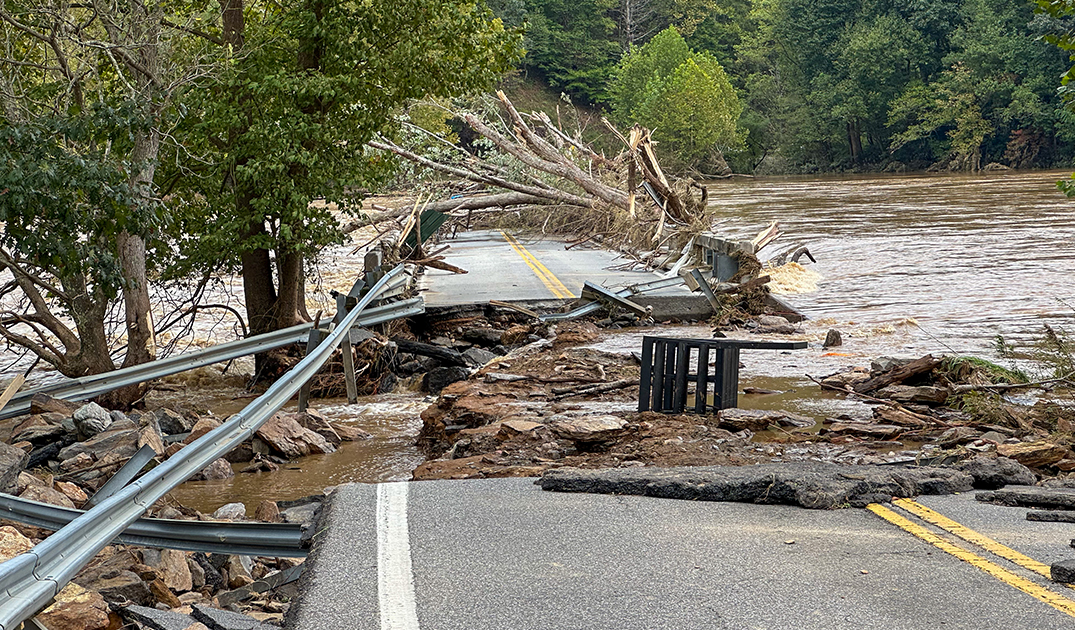 Severe weather events often impact critical infrastructure: destroying roadways and buildings, bringing down large trees, and even disrupting essential power grids.
In many locations, fallen trees had damaged critical power lines, contributing to widespread outages. KCI teams assessed conditions in the field and coordinated with utility personnel to help determine the appropriate sequence of restoration activities, ensuring hazards were addressed before tree removal and line reconstruction could begin. Damage assessments and restoration priorities were documented in the client’s Distribution Outage Management System (DOMS), providing real-time updates that allowed utility crews to efficiently dispatch resources and track restoration progress. Working 16-hour shifts throughout the response, KCI provided the timely, accurate field information needed to support the safe restoration of power to affected communities.
“During Hurricane Dorian, we knew the information our teams collected in the field would directly support decisions about where and how restoration work could move forward. There’s a real sense of responsibility that comes with knowing people are waiting for power to be restored, and everyone on the team understood the importance of getting accurate information back as quickly as possible.”
– Kendrick Gary, Regional Practice Leader
The Preparatory Approach
Storm response will always be an essential part of protecting communities and critical infrastructure, but resilience starts well before severe weather appears in the forecast. As natural disasters become more frequent, agencies are increasingly looking for ways to better understand their vulnerabilities, anticipate changing conditions and make informed decisions before those conditions become emergencies.
New advancements are expanding that ability by giving agencies greater visibility into conditions on the ground. In Baltimore, KCI’s Technology team supported the city’s Department of Transportation in optimizing its Cityworks asset management platform to strengthen snowstorm operations. The team configured the system to track and report real-time operational data, giving the department a clearer picture of snowplow activity, salt inventories and costs as a storm unfolds. This tool remains a vital part of Baltimore’s planning and mitigation efforts, and KCI remains in close collaboration with the Department to provide ongoing support for application functionalities, ensuring local communities are armed with the solutions necessary to alleviate a snowstorm’s impact.
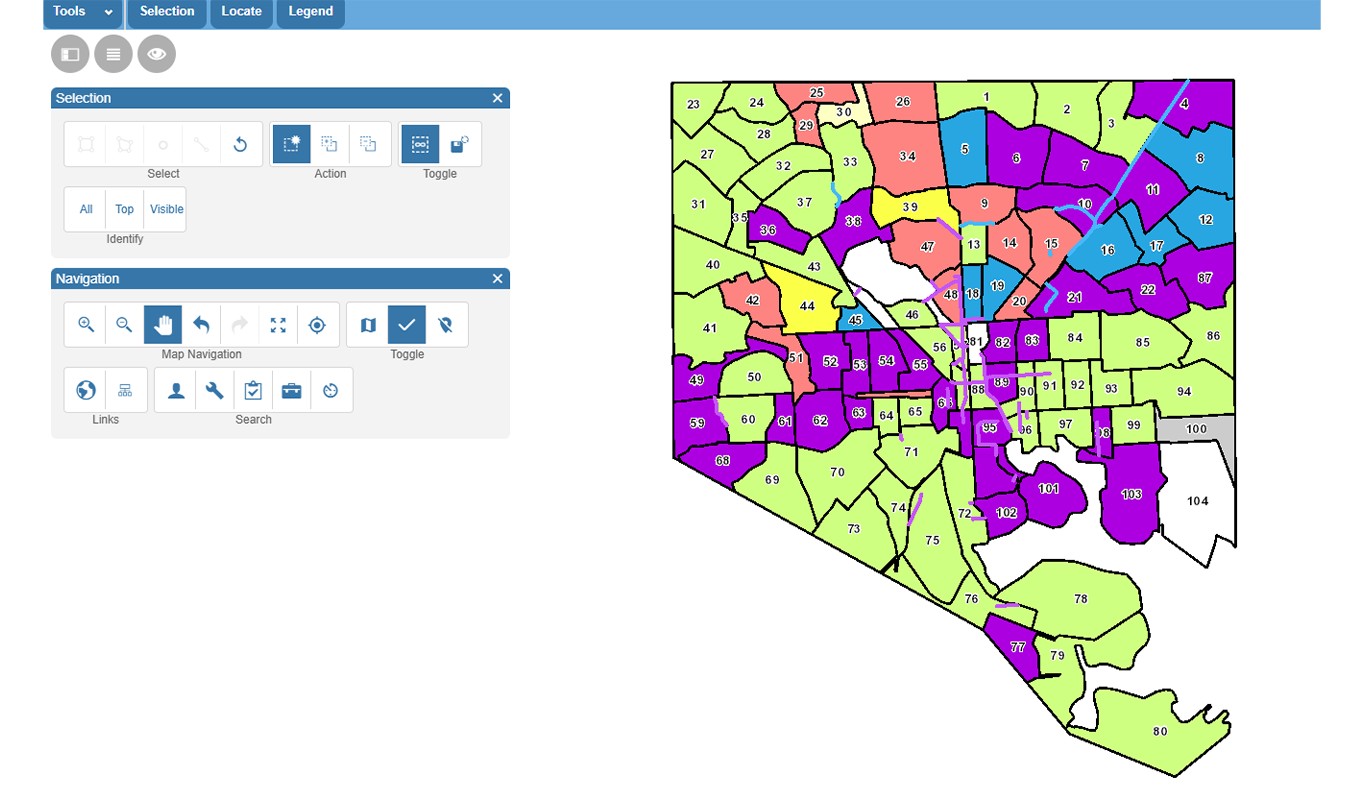 KCI helped to optimize the City of Baltimore’s Cityworks asset management system to provide a comprehensive overview of response operations during a snowstorm.
Our team is also helping agencies simplify the complex reporting required to secure federal disaster recovery funding. In Nashville, KCI supported Metro Nashville’s Department of Transportation in configuring Cityworks to track costs associated with emergency events and generate the detailed data needed for Federal Emergency Management Agency (FEMA) reimbursement requests. Following a major tornado, the department used the system to compile the information needed to support its reimbursement efforts. By turning field data into a report with the click of a button, the solution replaced a traditionally lengthy, manual process with a more efficient and reliable approach to documenting emergency response costs.
Situational awareness becomes even more critical when conditions can change with little warning. Flooding, for example, can quickly threaten roadways, bridges and evacuation routes, making timely information essential to determining when action is needed. KCI’s Water and Environment team helps agencies stay ahead of changing conditions by designing and installing advanced water level monitoring systems that continuously collect and transmit data, supporting both proactive planning and informed decision-making when it matters most.
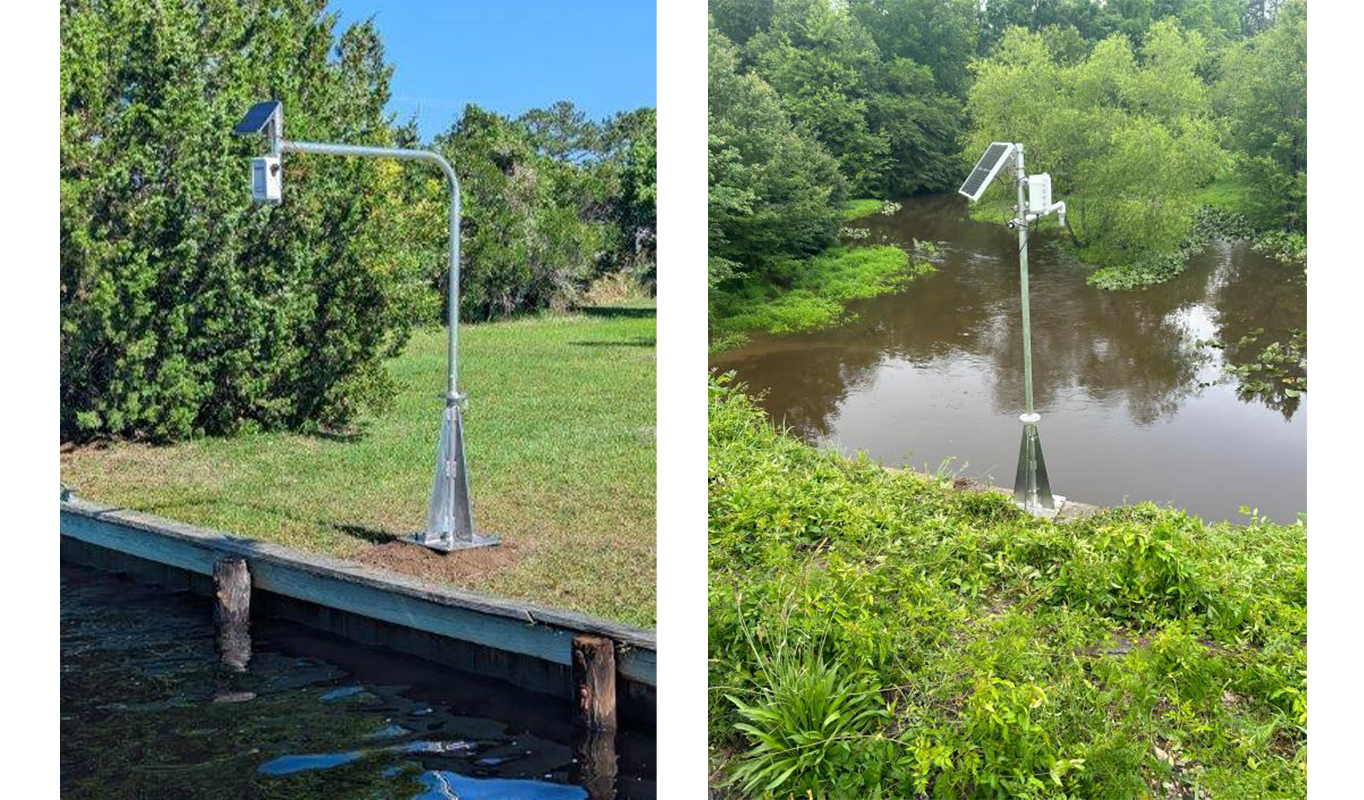 Installed alongside waterways, KCI’s flood monitoring gauges provide continuous, real-time water level data to support infrastructure planning, emergency response and public safety. Solar-powered and satellite-enabled equipment allows the gauges to operate with limited upkeep.
Strategically placed to capture meaningful site-specific data, KCI’s monitoring gauges support a wide range of applications, including infrastructure risk assessments, hydrologic and hydraulic modeling, bridge and culvert evaluations, watershed planning, FEMA flood mapping and stormwater system design. During flood events, the same real-time data enables agencies to remotely track conditions, assess risks and make confident decisions regarding road closures, evacuation routes and emergency resource deployment.
The success of a monitoring program depends on more than the equipment alone. KCI delivers a comprehensive, end-to-end solution that combines technical expertise, field experience and tailored implementation. Our team evaluates potential monitoring locations, assesses hydraulic conditions, coordinates traffic control, fabricates custom mounting systems, performs field surveys, installs sensors and integrates data into user-friendly monitoring platforms. Because no two sites are alike, every installation is designed to meet the unique challenges of its environment, providing clients with dependable, actionable intelligence that enhances resilience, improves preparedness and supports informed decision-making year-round.
As severe weather continues to challenge infrastructure nationwide, building more resilient communities will require both preparation and response. No two natural disasters unfold the same way, but the ability to withstand them depends on the decisions and actions taken before, during and after they strike. By bringing together engineering expertise, technology and field support, KCI helps communities navigate both, no matter what the forecast holds.